This piece is about Melbourne’s Western Eagles Soccer Club. Old timers of the past remember them as Polonia Soccer Club or KS Polonia. To those who invested their time in Australian football in the 21st Century, this is a club who had recently nurtured and facilitated Thomas Deng’s growth towards a football career with Melbourne Victory.
The information that I can share is only limited, as those within my family tree directly involved with Polonia over the years are not with us today. I can only go from the few photos stored within albums and the vague anecdotes and confirmation of personnel through my grandmother. This adventure into the club’s past is only just a hobby of mine that I wish to do within my free time and eventually will delve deeper into the club’s archives once the Covid-19 pandemic de-escalates.
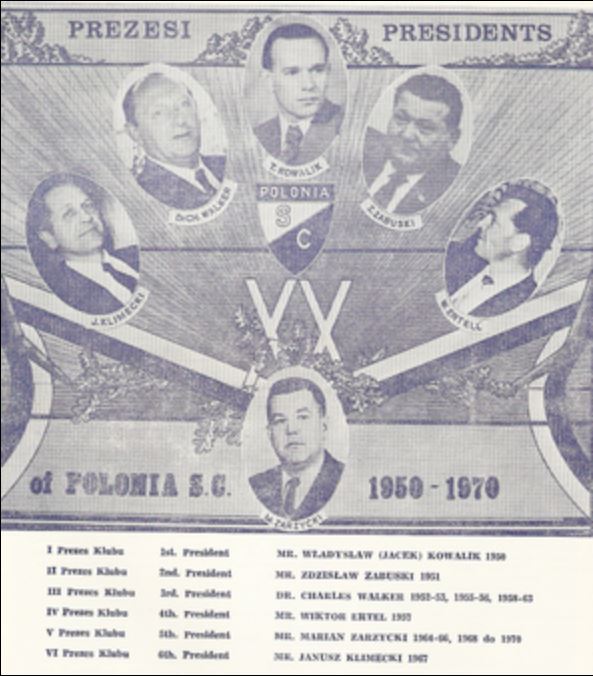
The relevancy of the [indirect?] family tree can go as far back as the as the founding year of the club in 1950. The club’s first president was Wladyslaw Kowalik. He was the stepfather to my Grand-Uncle’s wife. His presidency tenure was only for a year but remained as a significant figure spending the majority of his life devoting his time into running operations within the club or assistant in various roles.
The club played its first official league game on the 7th of April 1951 at the Williamstown Racecourse against Geelong United where they were the eventual winners [3:1]. They experienced a meteoric rise from starting in the 4th division and promoted to the 1st, by 1954.
The venue itself carries historical significance, where construction of the began in 1858, and by 1885 the Williamstown Racecourse Railway Station was opened and more accessible to enter the venue. It hosted prestigious horseracing events, hosting the likes of the legendary Phar Lap before the Australian Government took over to use it as a military barracks during the outbreak of World War 2. By 1947 the Grandstand succumbed to a fire outbreak and subsequently left in ruins until it met its eventual closure and death.
My Grandfather was born in the city of Lodz in 1942, and in his early 20’s, he boarded an Italian cruise ship with his family and set sail to Australia leaving behind a war-torn country confined behind the Iron Curtain that was poverty stricken by the communist puppet regime controlled by the Soviet Union.
Like every other European, Australia presented an opportunity for a new life but proved to be difficult because of the language barriers. Typically they all huddled within their own ethnic communities while they worked away in factories like my grandfather did. It was a routine to wrap up the work on the Friday night from the framing production shop and head off to the Polish football club, not far from his home in Spotswood.
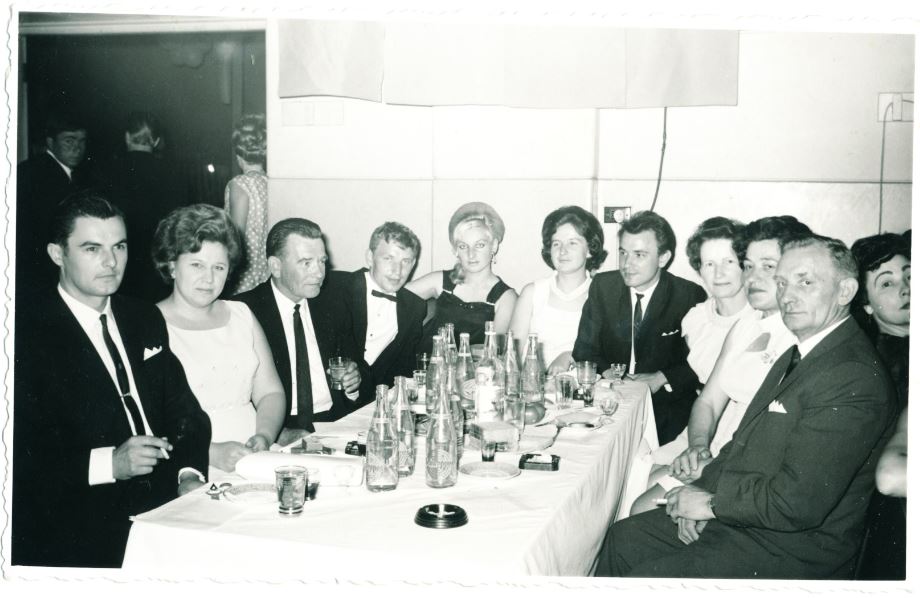
1960’s – Dining at a Polish Social Club: Kowalik (3rd from left) with son-in-law Janek and Step Daughter (4th and 5th from left) as well as my Grandparents (6th and 7th from left). Janek being the brother of my Grandfather Jacek Mataska
Although it would seem a fairly distant family figure, he was a closely associated person within the family circle. This ties in with my grandfather, who was not a player himself, but a fan and a regular attendant of games during the 1960’s and 1970’s.
During this time he met Kazimierz Szygalski, Player from Poland in which the club had transferred him to Melbourne [clarification needed], and became good friends over the years. Szygalski was part of Polonia’s golden generation where they won the Victorian first division title back-to-back in 1960 & 1961. Additionally they also won the 1961 Dockerty Cup, a 4-2 result against George Cross in front of a crowd of 5,000 at Olympic Park.
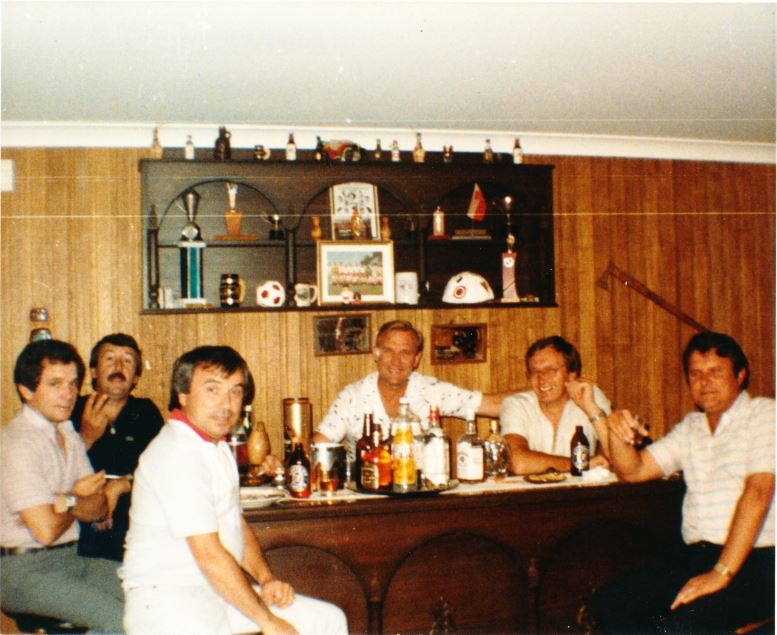
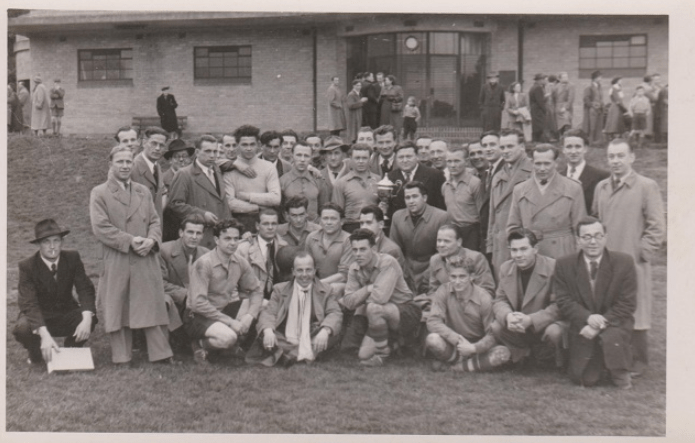
Occasionally the boys have a bender at each other’s homes. Pictured here is Jacek (3rd from left) in Szygalski’s home, who proudly displays his awards and accolades on the shelf, with a framed squad photo in the centre.
Polonia players in the photo: 2nd from left Marek Konopka, 4th from left Kazimierz Szygalski, and 5th from left Stasiek Hildebrand.
While they hung up their boots closer to the end of the 60’s, the 70’s was still a recurring lifestyle of spending time and keeping contact at Polonia’s home venue. As my mother recalls, occasionally she would be taken to the games at a young age with her sister, but would find herself to be the designated driver if Jacek had a bit too much to drink with the group, driving the family’s Ford Falcon back home. She was only 12.
In 1981, Polonia returned to the first division after spending the majority of the 70’s decade flirting with relegation and dropping to the 2nd division eventually. They achieved second place in 1984 and eventually winning their third state championship in 1987. In that year, they were managed by former Gold Coast United coach, Miron Bleiberg. However, it was the beginning of the end that same year where financial constraints caused Miron’s premature departure mid-way through the season. After winning the title with their interim manager, they began a vicious downward spiral where they are now pitted in the State League 3 and 4 divisions as of today.
It is unfortunate that I will never have the opportunity to hear stories from Jacek, nor does my family have contacts with those that they knew of this time. The 80’s were a time where the majority focused on raising their own families and eventually drifted apart. Especially when Jacek decided to leave behind his home in Spotswood from the inner Western Suburbs, and build his own house in Mount Waverley on the other side of Melbourne, out in the east.
I only vaguely remember meeting Szygalski in person one time in the early 2000’s, perhaps during Easter or Jacek’s birthday. he would be playing with a football of mine in the Grandparent’s backyard and he would show me a trick of how he would balance a ball on his foot and launch it vertically upwards roughly two stories high, with a glass of whiskey in one hand, and control it perfectly on the spot.
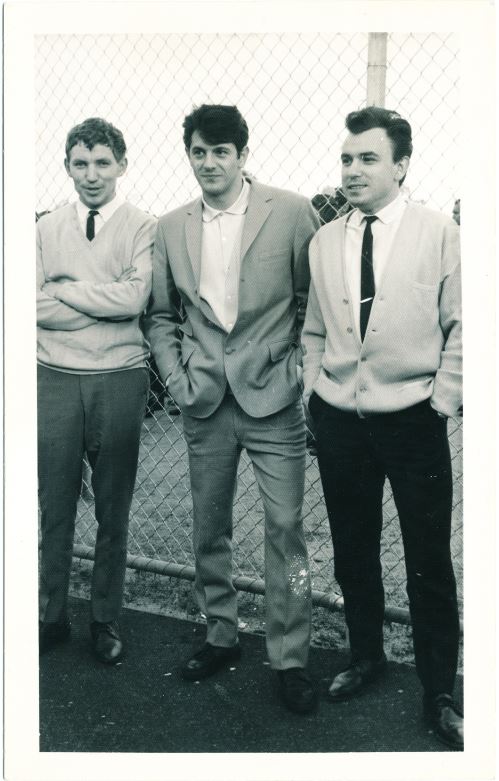
Jacek (right) and Janek (Left) with Polonia player Mikołaj Mroczkowski, who later became the God Father of Jack’s Youngest Daughter 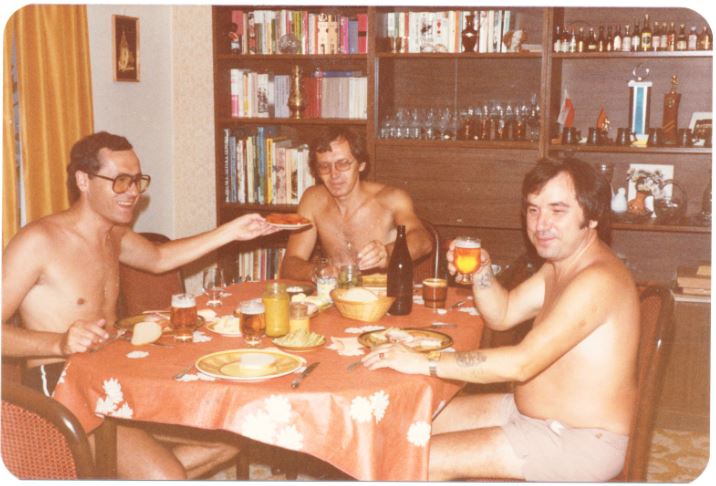
No Air-con? No Problem.
Stasiek Hildebrand (Centre) Hosting his brother Jozef (Left), A Priest who has his own Parish in Germany, and Jacek (right)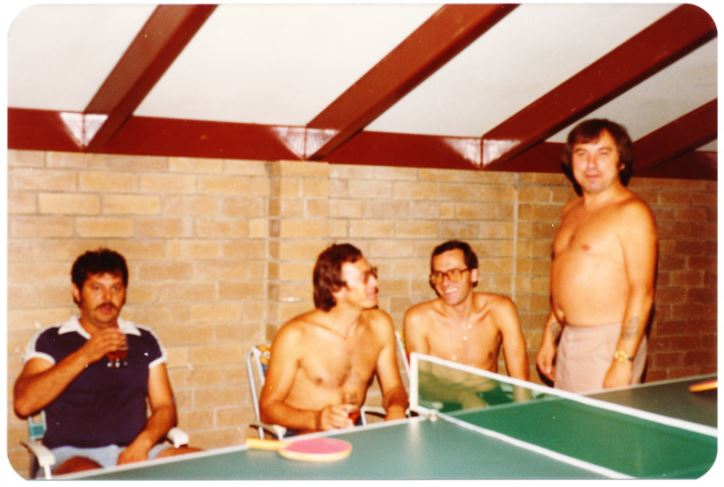
Beer + Pong
From Left to Right: Mikolaj Mroczkowski. Stasiek Hildebrand, Jozef Hildebrand, Jacek Mataska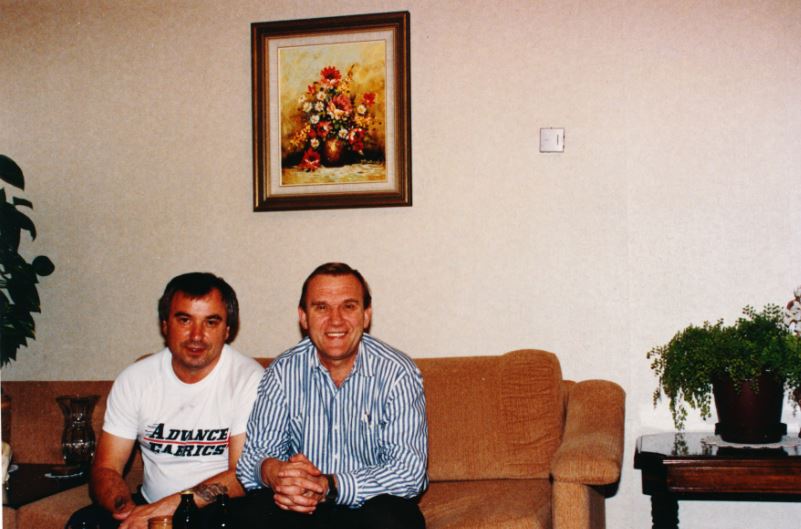
Jacek (Left) with Kazimierz Szygalski
Hidden Easter Eggs
The Gronowski Brothers
Henryk and Robert represented Polonia Melbourne from 1961-1962 where they won the Victorian State Championship during the 1961 season. Both are highly revered players in Poland by their top divisional clubs. They both started their journey at Piast Gliwice before they transferred to Lechia Gdansk. There, Henryk made 258 appearances as a goal keeper and Robert, a renowned forward, made 161 appearances for Lechia with 58 goals.
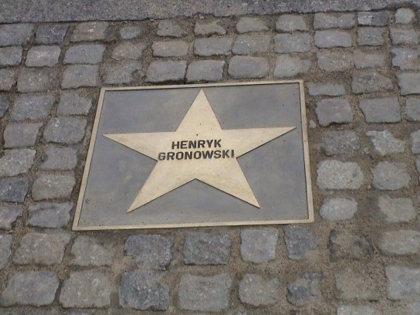
Their accolades and services for Lechia Gdansk are remembered by the 2 of the 21 “Avenue of Stars” that are planted within the old Lechia Gdansk stadium.
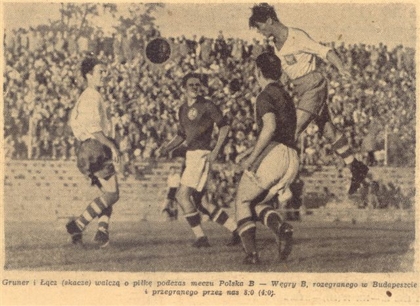
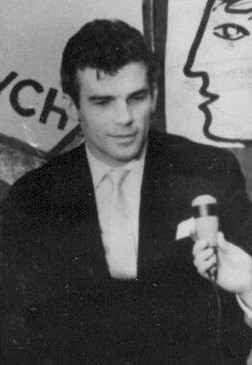
Pictured left is Robert Gronowski in action during his first and only appearance for Poland against Albania. Pictured right is Henryk during an interview.

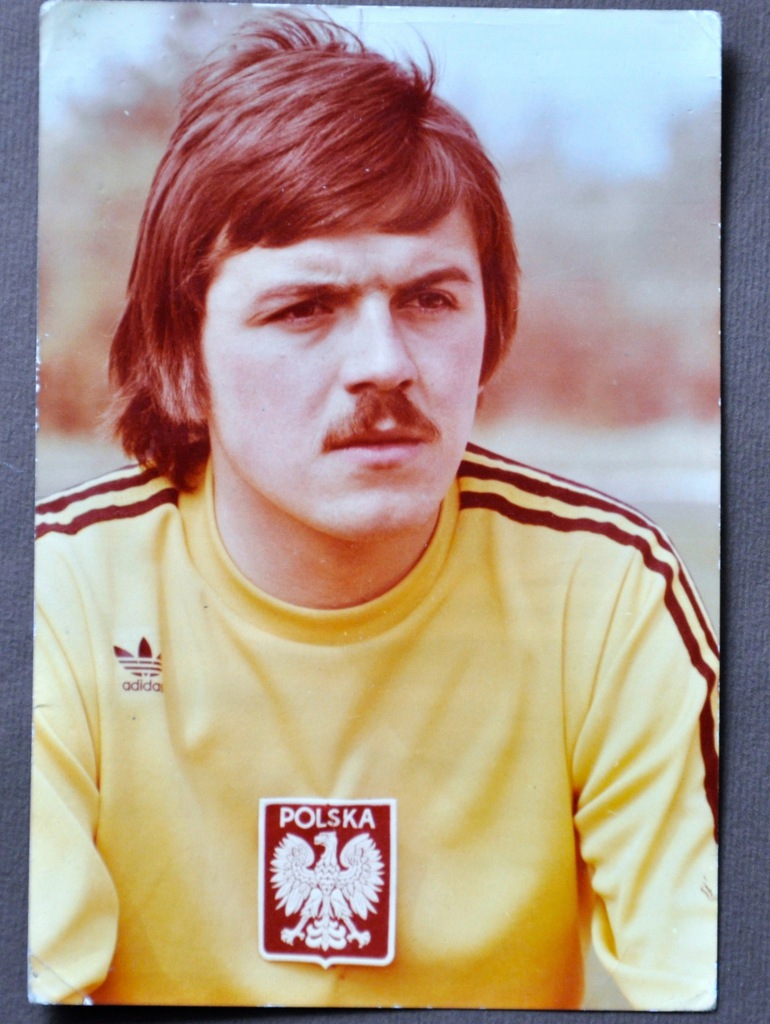
Zdzisław Kostrzewa:
Pictured left, represented Poland on 3 occasions and also took part in their 1978 World Cup campaign as a third choice goalkeeper. Most notably he won the Polish Cup back-to-back with Zagłębie Sosnowiec in 1977 and 1978. His contribution to Polonia Melbourne was winning their third and most recent state championship in 1987 during his 3 seasons he spent with the club.
He has passed away in Melbourne in 1991 from a work accident.
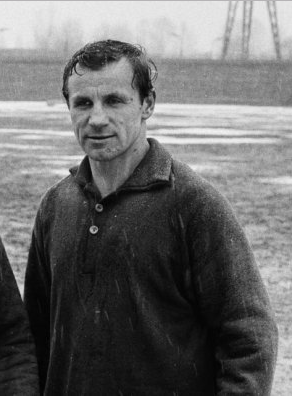
Edmund Zientara
135 Caps for Legia Warsaw, with a Polish Cup & Championship to his name, he finished his playing career at Melbourne Polonia where he played from 1962-64.
He played the role as a midfielder and earned 36 Caps for Poland, with 1 goal to his name and 3 appearances in the 1960 Football Olympic campaign.
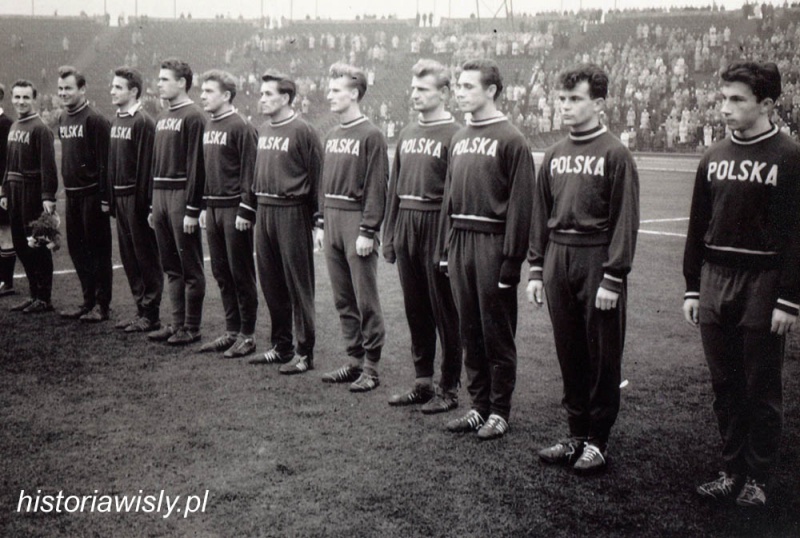
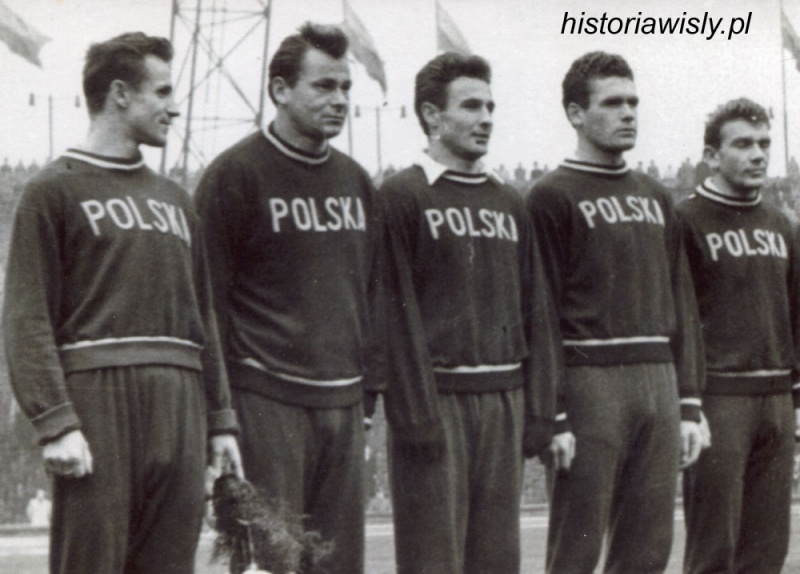
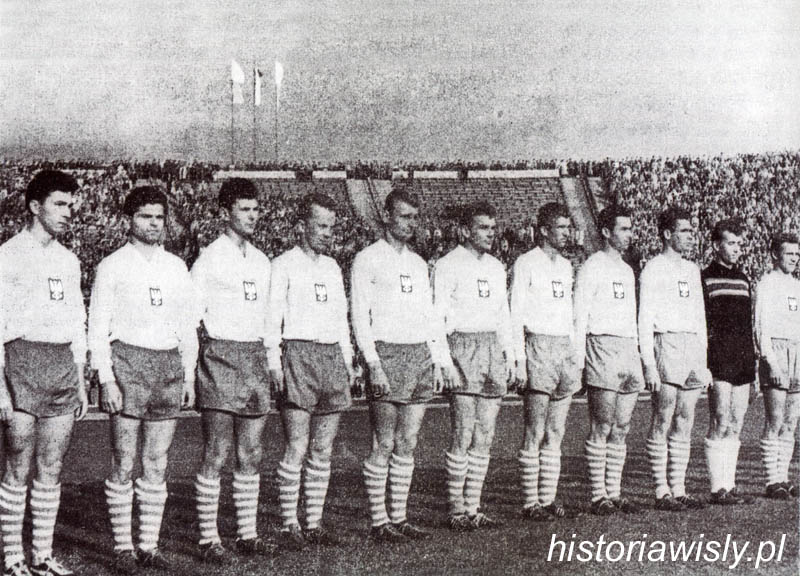
Wiesław Jańczyk
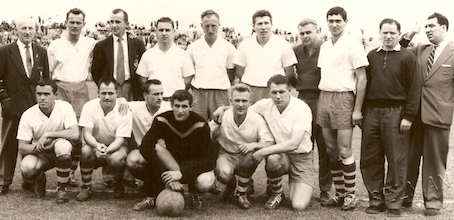
Acknowledged as a legend for the Polish Club LKS Lodz, whom he made 143 appearances for, with a Polish League title to his name in 1958. He had also played basketball for the Lodz Sports club where he achieved in winning the national championship in 1953. Wieslaw was a player-manager for Polonia Melbourne in both of their championship seasons of 1960 & 1961. Pictured below is Polonia’s 1960 squad.
Wieslaw had notably practised his craft in coaching, including South Melbourne Hellas, Melbourne Knights and Juventus SC (Aus). His resume also includes acting as a player-manager for Team Victoria in a friendly against the visiting AS Roma and an assistant coach of the Australian National team. Video of the AS Roma tour found Below:
At Olympic Park (Crowd: 15694)
Referee: Geoff Harrison
Victoria 0 AS Roma 1 (Francesconi 79′)
Victoria: J.Young, N.Shepherd, J.O’Neill, W.Janczyk, B.Rice, F.Micic, A.Abonyi (T.Roseweir), B.Vojtek (S.Jones), K.Kowalec, J.Anderson, H.McMeechan. Coach: Wieslaw Janczyk
AS Roma: F.Cudicini, G.Tomasin, M.Ardizzon, F.Capelli, G.Losi, S.Carpenesi, L.Leonardi, G.Tamborini, F.Francesconi, A.Spanio, F.Enzo. (V.Benitez on 46′) Coach: Guido Masetti
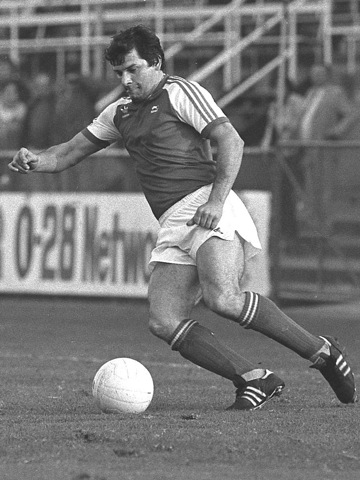
Janusz Przybyla (Maribyrnong Polonia) South Melbourne (VSF) v Maribyrnong Polonia Middle Park 21-May-1983 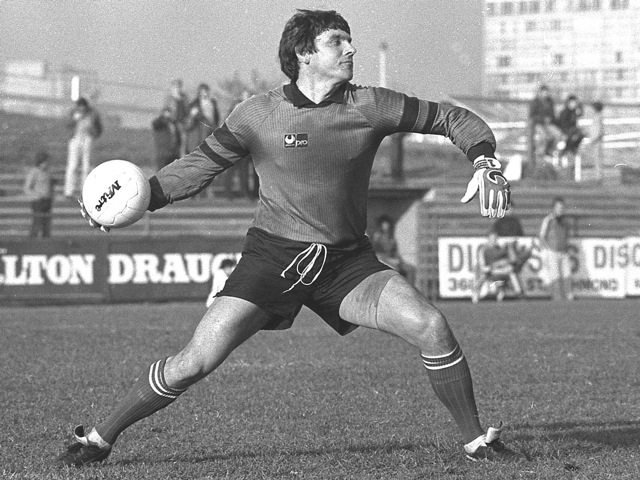
Leszek Dzielakowski (Maribyrnong Polonia) South Melbourne (VSF) v Maribyrnong Polonia Middle Park 21-May-1983 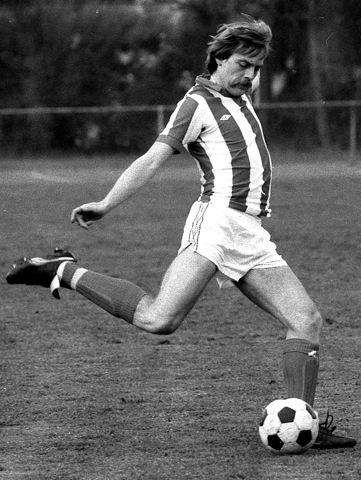
Mirek Smolarek (Maribyrnong Polonia ) Ringwood City v Maribyrnong Polonia Jubilee Park 10-Jul-1982
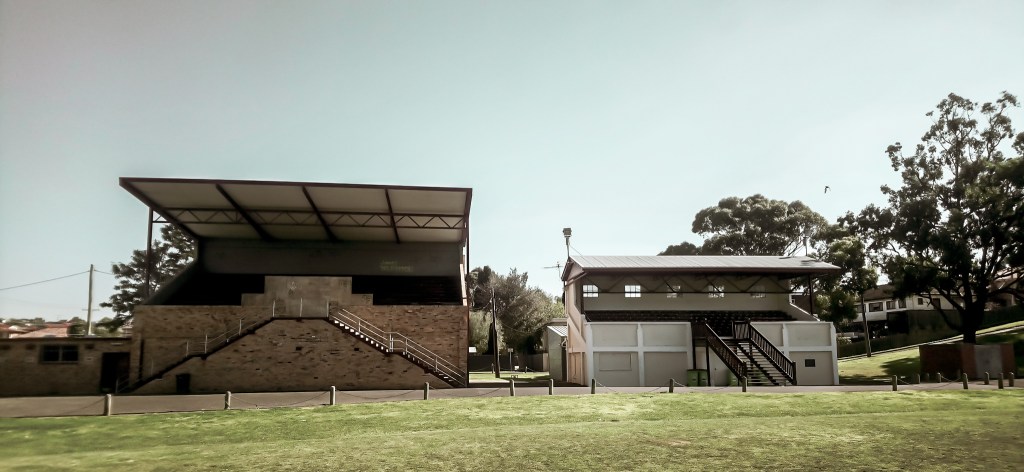
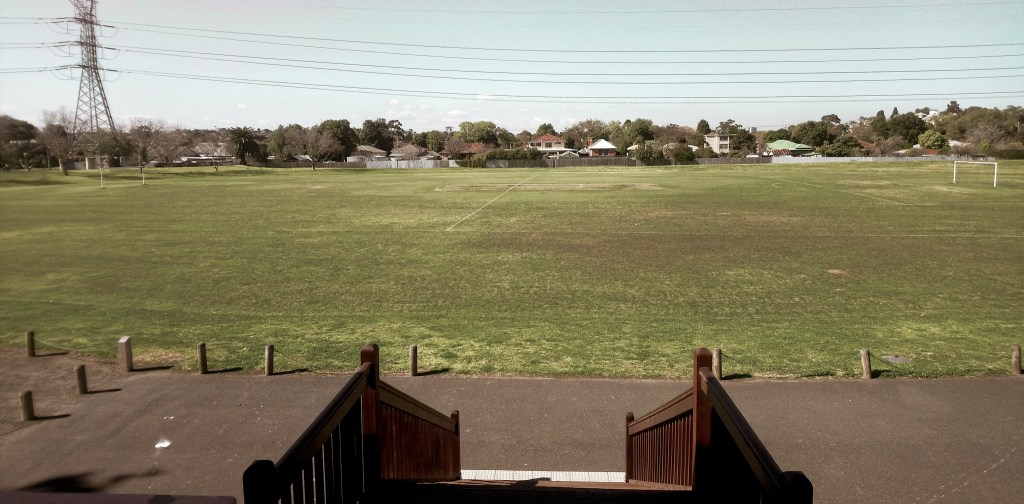
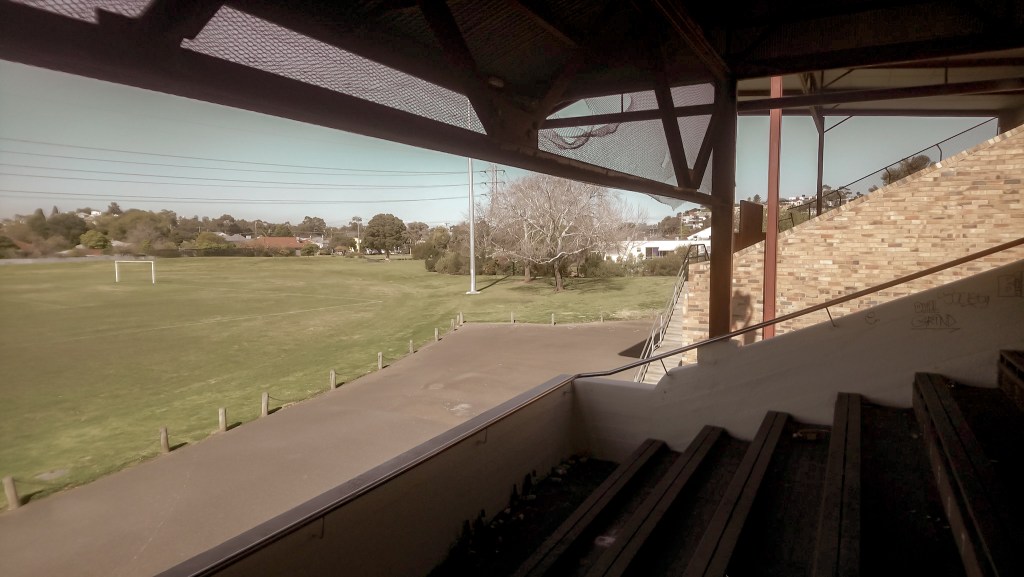
News Archives:
News Archive Sources:
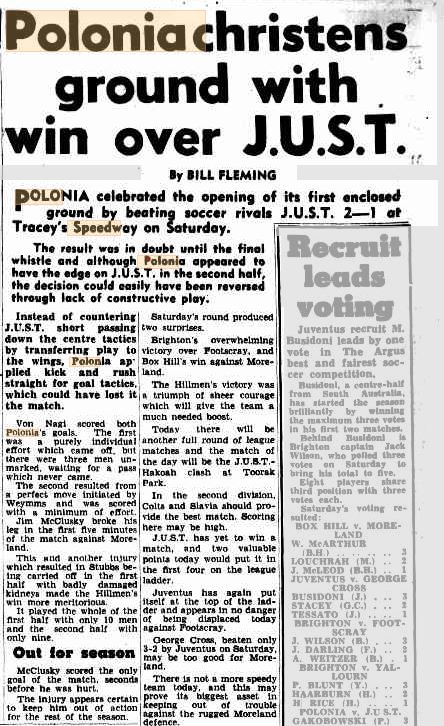
The first game at Tracey Speedway
https://trove.nla.gov.au/newspaper/article/71875585?searchTerm=polonia%20speedway
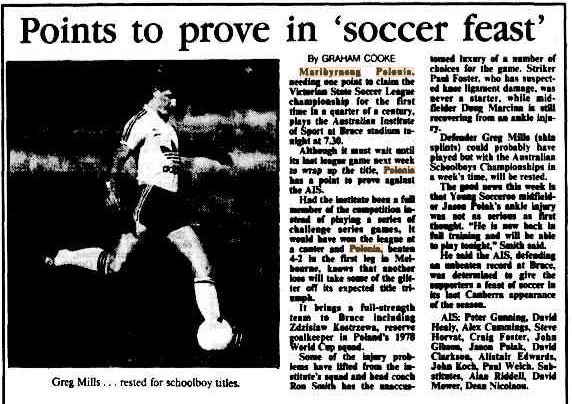
One more point for Polonia to win the 1987 title:
https://trove.nla.gov.au/newspaper/article/122122966?searchTerm=polonia%20maribyrnong
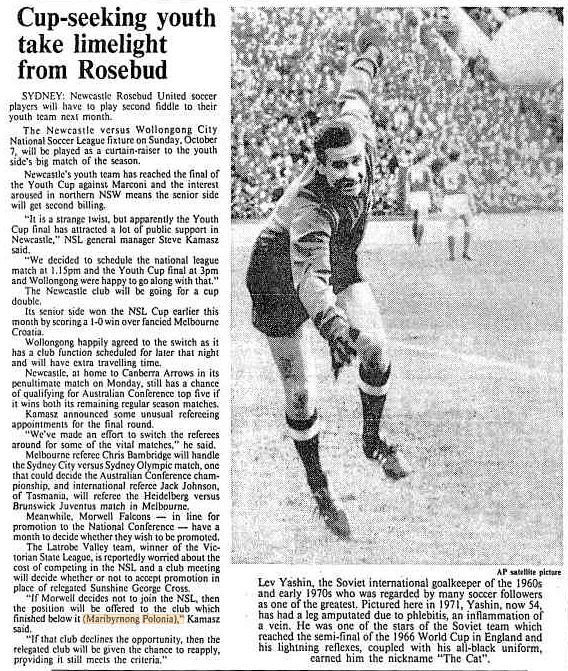
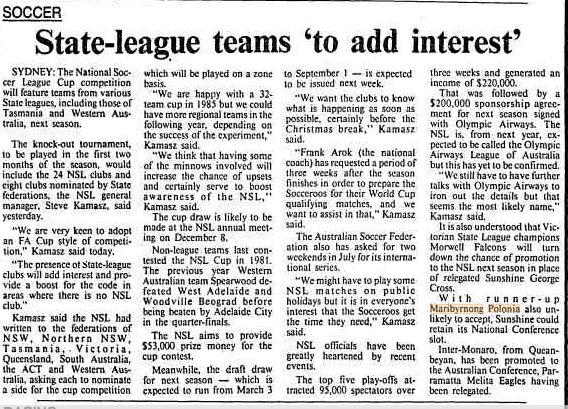
Discussion and opportunity for Polonia to join the NSL (which they have turned down)
https://trove.nla.gov.au/newspaper/article/122526245?searchTerm=polonia%20maribyrnong
https://trove.nla.gov.au/newspaper/article/136918536?searchTerm=polonia%20maribyrnong
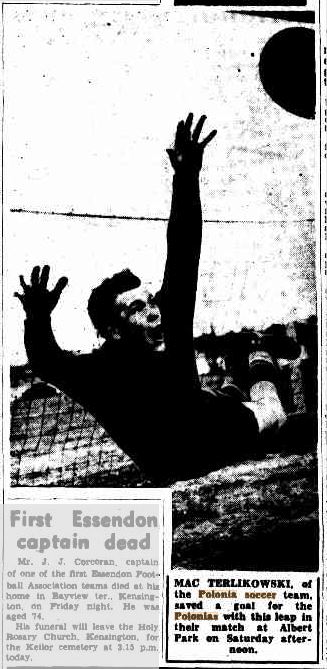
Mac Terlikowski delivers an action shot for the camera at Albert Park
https://trove.nla.gov.au/newspaper/article/23060710?searchTerm=polonia%20soccer
Additional sources of the Gronowski brothers can be found below:
http://lechiahistoria.pl/20-pilkarzy-w-plebiscycie-70-lecia/henryk-gronowski/
http://piast.gliwice.pl/2013/10/24/bracia-gronowscy-%e2%80%93-historia-piasta-i-lechii/
https://en.wikipedia.org/wiki/MOSiR_Stadium_(Gda%C5%84sk)
https://en.wikipedia.org/wiki/Henryk_Gronowski
https://en.wikipedia.org/wiki/Robert_Gronowski
Edmund Zientara
http://historiawisly.pl/wiki/index.php?title=Edmund_Zientara
Wiesław Jańczyk
https://pl.wikipedia.org/wiki/Wies%C5%82aw_Ja%C5%84czyk
 Behind The Lens - LMR